
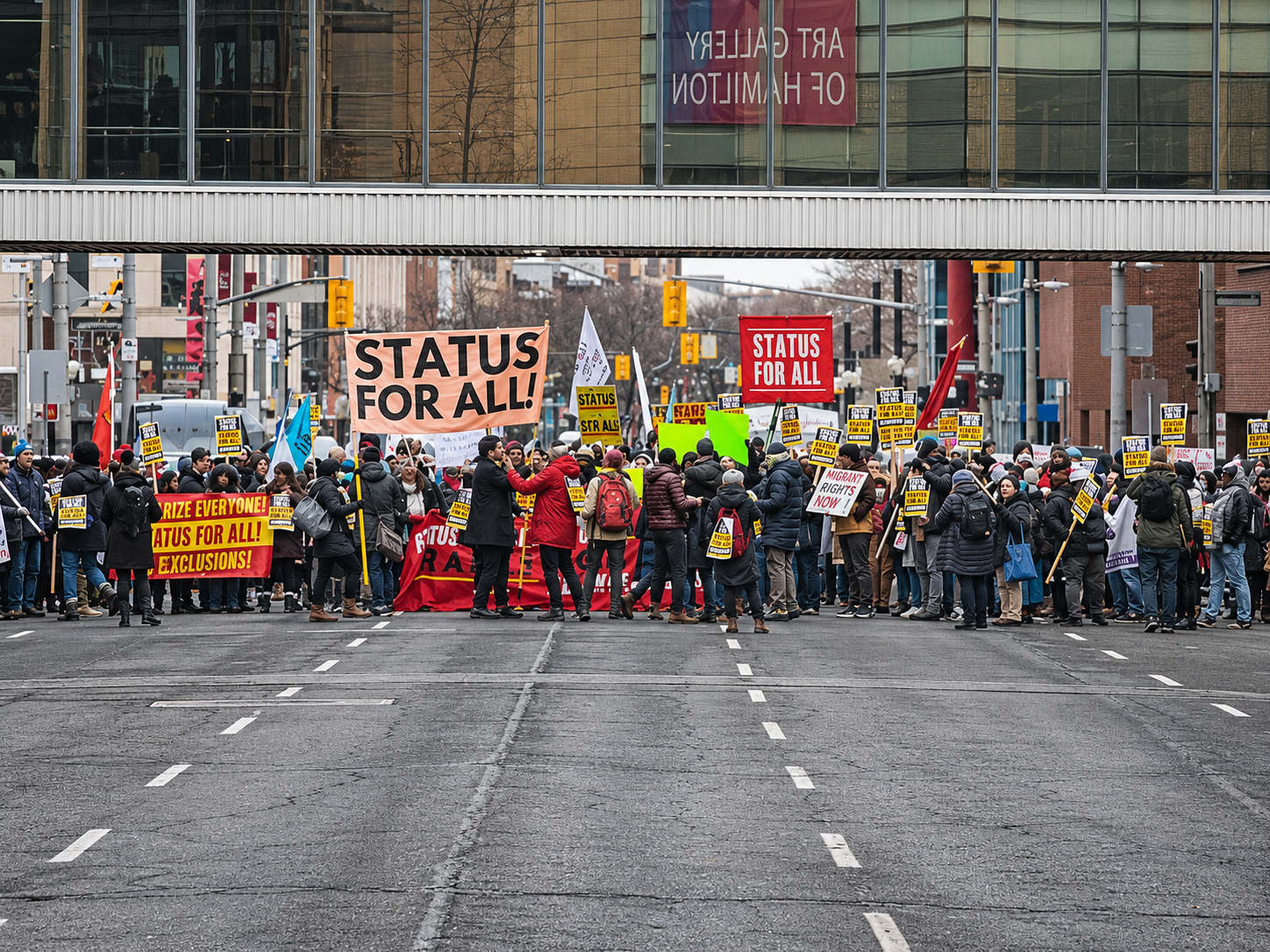

Canada’s immigration policy is facing fresh political scrutiny after concerns were raised about the growing number of young men compared with young women in several major Canadian cities.
During Question Period on November 19, 2026, Conservative MP Michelle Rempel Garner cited Statistics Canada data while questioning the federal government’s immigration approach.
She said men aged 18 to 34 now outnumber women of the same age in 40 of Canada’s 41 largest cities. In Windsor, Ontario, she said there are 127 young men for every 100 young women.
The comments have added another issue to Canada’s wider immigration debate, particularly around temporary residents, labour-market needs and how immigration affects population patterns.
Why the Issue Is Getting Attention
Rempel Garner argued that recent immigration patterns have contributed to the gender imbalance among younger adults in Canadian cities.
Statistics Canada data has previously shown that men make up a larger share of Canada’s non-permanent resident population. In 2021, men represented 54% of non-permanent residents, compared with 46% for women.
That does not mean immigration is the only factor behind the gender difference in every city, but it helps explain why immigration has become part of the political discussion.
The comments made in Parliament are also important to separate from immigration policy itself. No new visa, work permit or permanent residence rule was announced as part of this debate.
What This Means for People Planning to Move to Canada
For prospective immigrants, international students and workers, the debate does not introduce any new gender-based immigration restriction.
Existing immigration programs continue to have their own eligibility requirements.
What it does show is that Canada’s immigration system remains under close political and public scrutiny, especially as the government manages the number of temporary residents and adjusts immigration levels.
Applicants should therefore be careful not to assume that every political statement or immigration headline means their eligibility has changed.
The practical question is always whether a new policy, program rule or eligibility requirement directly affects your own application.
Why Applicants Need to Follow Immigration Changes Carefully
Canada has made several immigration changes in 2026, including updates to Express Entry, permanent residence planning and programs aimed at retaining workers already living in the country.
Some changes can directly affect a candidate’s eligibility or points, while others are part of a broader political debate and may have no immediate effect on an application.
Knowing the difference can help applicants avoid making decisions based on headlines alone.
How Sehli Global Can Help
Canada’s immigration system continues to change, and not every immigration story has the same impact on every applicant.
Sehli Global can help you understand which policy changes are relevant to your profile and which developments are mainly part of the wider immigration debate.
If you are planning to study, work or apply for permanent residence in Canada, book an appointment with Sehli Global to review the pathways available to you and understand how current immigration changes may affect your plans.
You can also contact Sehli Global on WhatsApp at +1 (226) 799-7149.


Leave a Comment