
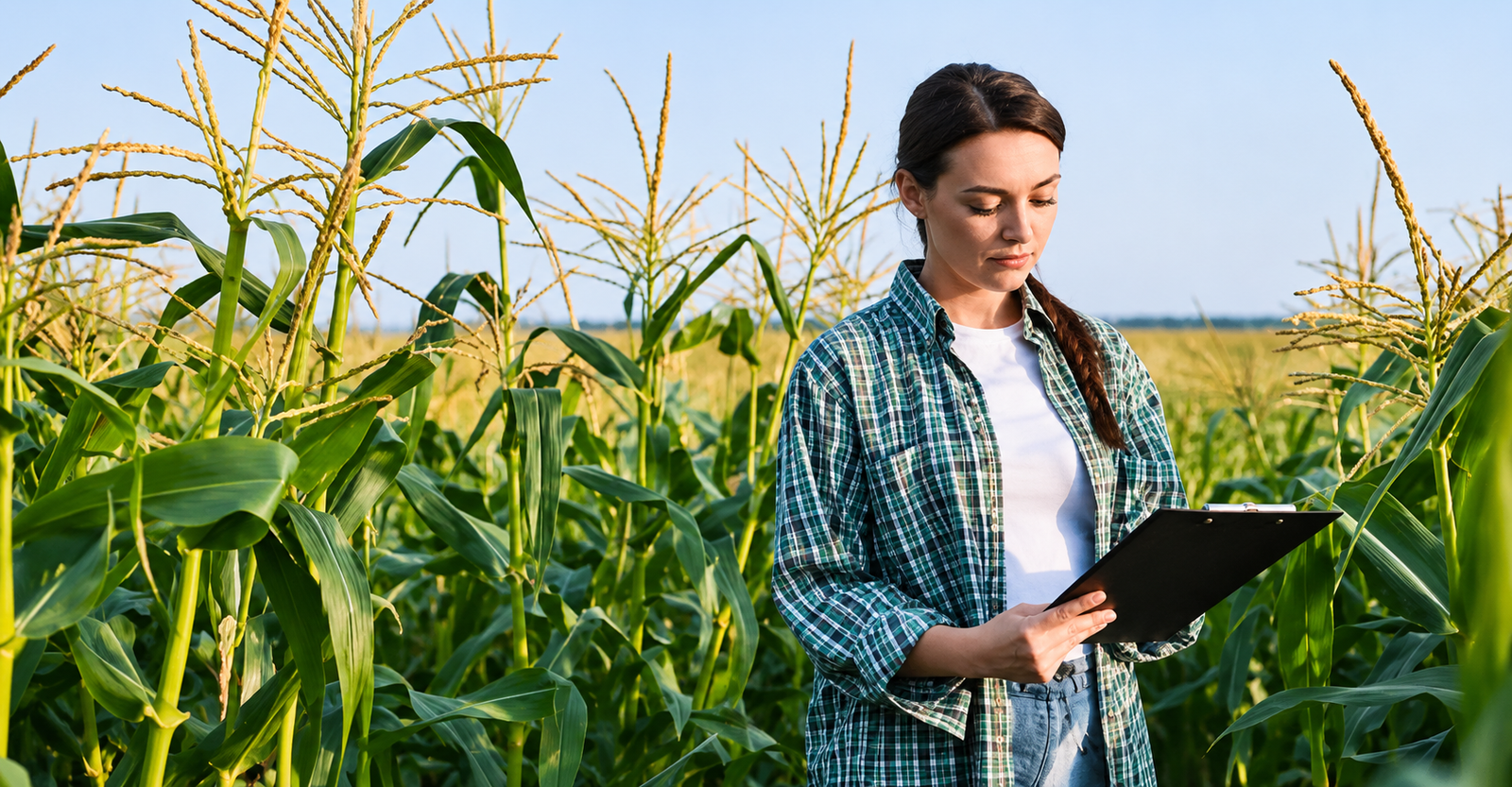

Canada has made the Rural Community Immigration Pilot a permanent immigration program, giving rural and smaller communities a long-term way to attract and retain skilled workers.
Immigration Minister Lena Metlege Diab announced the change on November 9, 2026, as part of the federal government’s wider effort to direct immigration toward communities facing persistent labour shortages.
The new Rural Community Immigration Program will build on the existing pilot and continue to provide eligible skilled workers and international graduates with a pathway to permanent residence.
Rural Immigration Is Becoming a Permanent Part of Canada’s System
The Rural Community Immigration Pilot was launched in January 2025 to help smaller communities fill jobs that could not be filled locally.
Canada has now decided to make that model permanent.
The program will remain community- and employer-led. Participating communities will continue to identify the sectors and occupations where workers are most needed, while designated employers will be able to recruit eligible foreign workers for those positions.
The government says the permanent program is intended to help rural communities respond to labour shortages, population decline and an aging workforce.
The 14 Current Communities Are Expected to Continue
Canada plans to continue with the 14 communities already participating in the pilot.
They include:
- Pictou County, Nova Scotia
- North Bay, Ontario
- Sudbury, Ontario
- Timmins, Ontario
- Sault Ste. Marie, Ontario
- Thunder Bay, Ontario
- Steinbach, Manitoba
- Altona/Rhineland, Manitoba
- Brandon, Manitoba
- Moose Jaw, Saskatchewan
- Claresholm, Alberta
- West Kootenay, British Columbia
- North Okanagan Shuswap, British Columbia
- Peace Liard, British Columbia
The federal government also plans to add more communities in the future.
Details about how new communities will qualify have not yet been released.
Local Labour Needs Will Continue to Shape the Program
Participating communities will continue to play a major role in deciding which workers are needed.
Each community will identify priority sectors and occupations based on local labour market conditions.
Employers will also need to be designated by the community before they can recruit through the program.
This means the Rural Community Immigration Program is not simply a general PR route for anyone willing to move outside a major city.
Applicants will still need to meet the program requirements, secure an eligible job offer from a designated employer and receive support from a participating community.
Skilled Workers and International Graduates May Benefit
The permanent program will continue to provide a pathway for eligible skilled workers and international graduates who can fill jobs in sectors facing persistent shortages.
Early results from the pilot show that participating communities have been recruiting workers in areas such as healthcare, education, sales and services.
Between January 2025 and August 2026, participating communities designated more than 1,950 employers and issued more than 4,700 job offers and community recommendations.
These early results are part of the reason Canada is moving from a temporary pilot to a permanent program.
Canada Sets 5,500 Admission Spaces
Canada’s 2027–2029 Immigration Levels Plan includes 5,500 admission spaces for the permanent Rural Community Immigration Program.
The government says making the program permanent will give rural employers more certainty when planning for long-term workforce needs.
It also fits with Canada’s wider focus on retaining workers who are already contributing to local communities.
Sehli Global recently reported on Canada’s plan to provide up to 100,000 additional permanent residence spaces for workers already in Canada, another measure aimed at retaining workers who are already established in the country.
Employers Will Remain Central to the Process
The program will continue to depend heavily on designated employers.
Only employers approved by a participating community will be able to recruit workers through the program.
Canada also plans to strengthen employer accountability through training, monitoring and reporting requirements.
For employers in smaller communities, the permanent program provides another route to recruit foreign workers where local hiring has not been enough to meet demand.
This comes shortly after Canada announced new Temporary Foreign Worker Program reforms, including longer Low-Wage Stream LMIAs and proposed regional changes for communities facing labour shortages.
The New Program Builds on Earlier Rural Immigration Efforts
Canada has been testing rural immigration pathways for several years.
The Rural and Northern Immigration Pilot operated from 2019 to 2024 and brought more than 12,500 candidates and their family members to smaller communities.
More than 2,800 employers participated in that program.
The Rural Community Immigration Pilot followed in 2025 and will now transition into a permanent pathway.
The focus remains on more than simply filling vacant jobs.
Participating communities are also expected to support newcomers and their families as they settle and build long-term connections in the communities where they live and work.
What This Means for Workers Seeking Permanent Residence
The permanent Rural Community Immigration Program gives eligible workers another possible route to Canadian permanent residence, especially those willing to live and work outside major cities.
But the opportunity will still depend on the applicant’s occupation, job offer, community and overall eligibility.
A job offer alone will not automatically qualify someone for permanent residence.
Workers should also compare the rural pathway with other available routes, including Provincial Nominee Programs and Express Entry.
Recent changes to Express Entry points for Canadian work experience and qualifying job offers may also affect which permanent residence pathway is more suitable for a particular candidate.
How Sehli Global Can Help
The Rural Community Immigration Program creates another permanent residence option, but it will not be the right pathway for everyone.
Sehli Global can help you review your work experience, occupation, job offer and immigration history to understand which Canadian permanent residence pathways may apply to you.
Depending on your situation, this may include the Rural Community Immigration Program, Provincial Nominee Programs, Express Entry or another economic immigration route.
The important step is to understand your eligibility before making employment, relocation or immigration decisions based on the new announcement.
If you want to know whether a rural immigration pathway or another Canadian permanent residence option may fit your profile, book an appointment with Sehli Global or contact the team on WhatsApp at +1 (226) 799-7149.

Leave a Comment